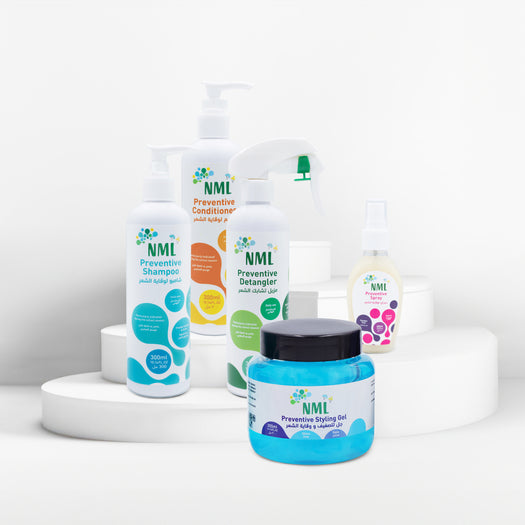
Live lice and their eggs respond differently to treatment, so understanding the product matters during an infestation. Some shampoos use insecticidal ingredients, while other formulas rely on physical action to block or suffocate lice. Correct application gives the treatment its best chance to work. An anti lice shampoo also fits into a broader routine for removing lice and eggs.
How lice removal shampoo targets live lice
Lice removal shampoos use active ingredients that affect lice through specific biological actions. Some formulas disrupt the insect’s nervous system, while others work through physical action. Certain products coat the louse and interfere with breathing or movement. These effects weaken or kill live lice during treatment. Users should follow the product label closely, since application time and quantity vary between formulas.
What happens to lice during treatment?
Once the shampoo reaches the scalp and hair, its active ingredients contact the lice directly. The treatment may immobilize them, disrupt their nervous system, or block their breathing process. This action stops feeding and movement, allowing the user to remove dead or weakened lice with a fine toothed comb. Thorough coverage matters because missed lice may remain active after treatment.
How shampoos deal with lice eggs
Lice eggs, also called nits, attach firmly to individual hair shafts near the scalp. Many treatments have limited activity against eggs because the shell protects the developing louse. Some formulas affect newly developing lice, while others mainly target live insects. For this reason, manufacturers frequently recommend a second treatment after the first application to address lice that hatch later.
Why combing remains important
A fine toothed lice comb helps remove dead lice, surviving insects, and eggs from the hair. Sectioning the hair into small portions makes the process easier and gives better coverage. Wet, conditioned hair can also make combing smoother. Regular combing after treatment helps identify remaining lice and removes nits that stay attached to individual strands.
How repeat treatment breaks the cycle
Lice reproduce by laying eggs, which later hatch into young lice called nymphs. A single treatment may leave some eggs intact, allowing new lice to appear after several days. Following the product schedule helps target these newly hatched insects before they mature and lay additional eggs. Users should avoid applying extra product outside label directions, as excessive use may irritate the scalp.