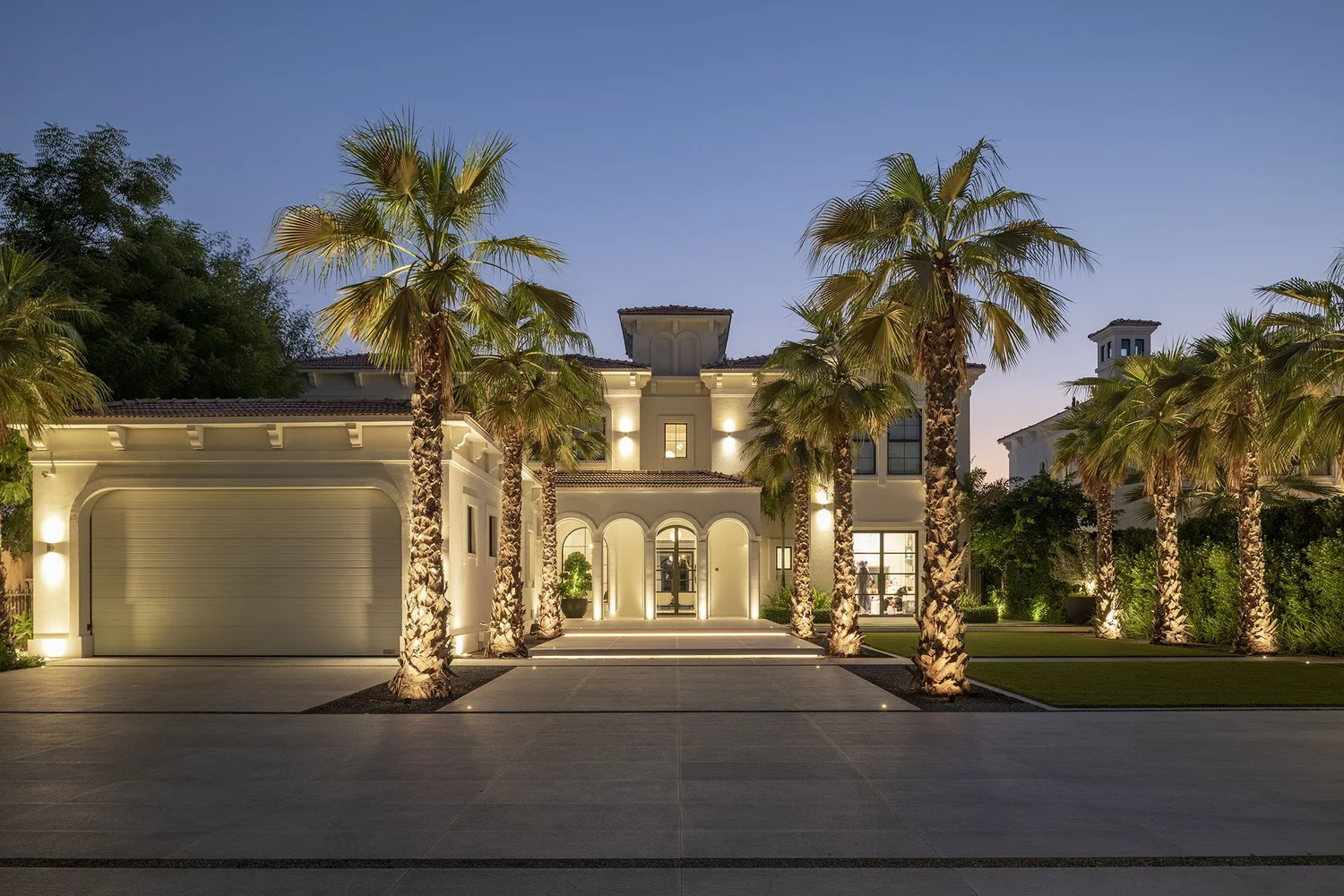
Luxury outdoor spaces demand planting, refined features, and thoughtful preparation. Every detail, from seating areas to lighting, should carefully support comfort, function, and visual balance. Smart preparation gives designers a clear direction on site before work begins.
With defined goals and practical choices, premium landscaping delivers an outdoor setting that feels polished, useful, and naturally connected to the home.
Defining the outdoor vision
Planning starts with a clear picture of the finished space. Homeowners can outline preferred seating zones, planting styles, entertaining areas, water features, lighting, and privacy elements. Designers then organize these ideas into a practical concept that suits the property and daily routines. A clear vision also helps establish priorities, making decisions easier as the project develops.
Matching design with the site
Every outdoor space has its own conditions. Sun exposure, soil quality, drainage, existing trees, slopes, access points, and available space all influence design choices. Professionals assess these factors before selecting plants, materials, structures, and irrigation systems. This approach reduces costly changes later and helps each feature sit naturally within its surroundings.
Setting a realistic budget
Premium results call for a financial framework. A detailed budget covers materials, labor, planting, lighting, irrigation, construction, maintenance, and finishing touches. Designers can then recommend suitable materials and features that align with the available investment. Setting financial limits early prevents rushed decisions and keeps the project focused from the first concept through completion.
Coordinating every feature
Strong planning connects elements into one cohesive setting. Paths should link key zones, seating should support social activities, lighting should improve evening use, and planting should complement architectural details. Water features, pergolas, outdoor kitchens, and decorative elements call for placement. Coordinating these components early helps the finished space look intentional instead of crowded or disconnected.
Choosing materials and plants
Material selection affects appearance, durability, maintenance, and comfort. Stone, timber, concrete, metal, and composite products each offer qualities. Plant selection deserves attention, with choices based on climate, sunlight, soil, growth habits, and seasonal appearance. A balanced palette gives the outdoor area character while supporting practical upkeep throughout the year.
Building with long term value
Good planning supports lasting performance. Designers consider irrigation efficiency, drainage, plant growth, lighting access, maintenance routes, and future changes before construction begins. This forward thinking approach supports easier upkeep and consistent visual appeal. Premium landscaping succeeds when every decision serves a clear purpose, supports use, and works with the architecture surrounding it.