Crowded teeth and severe overbites can affect chewing, speech, oral hygiene, and facial balance. Orthodontic treatment gradually guides teeth toward healthier positions while improving the relationship between upper and lower jaws.
Brackets, wires, elastic components, and regular adjustments work together throughout treatment. With professional monitoring and consistent home care, dental braces Abu Dhabi can lead to lasting orthodontic improvements.
Why teeth become crowded
Crowding occurs when the available space within the dental arch does not comfortably accommodate every tooth. Teeth may overlap, rotate, or sit behind neighboring teeth. Genetics, early tooth loss, delayed tooth eruption, and jaw development can contribute to crowding. An orthodontist examines tooth position and jaw structure before selecting suitable treatment.
How braces create space
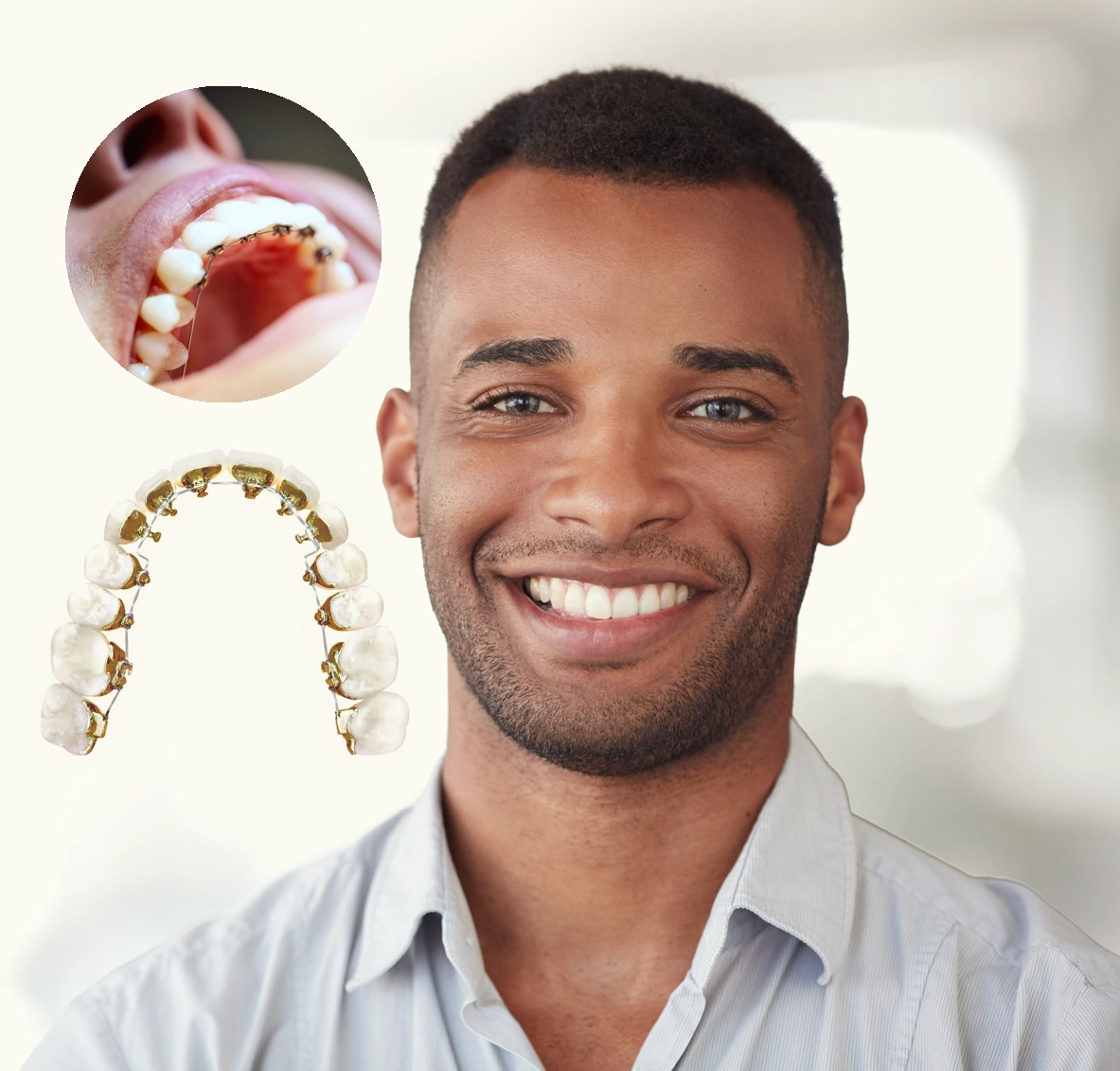
Braces apply controlled pressure through brackets and archwires. At scheduled appointments, the orthodontist adjusts the system, gradually guiding individual teeth into better positions. In some cases, the dentist creates additional space through enamel reshaping or tooth extraction. The chosen treatment depends on tooth size, jaw structure, crowding severity, and overall oral health.
Correcting severe overbites
A severe overbite occurs when the upper front teeth extend significantly over the lower front teeth. Orthodontists assess the bite, jaw relationship, tooth position, and growth pattern before selecting treatment. Braces can guide teeth into improved alignment, while elastic bands may help correct the relationship between upper and lower arches.
Using orthodontic elastics
Elastic bands connect selected upper and lower brackets and apply targeted forces. Orthodontists prescribe specific configurations according to each patient’s bite. Consistent elastic use supports the intended tooth movement and helps maintain treatment progress. Patients follow their orthodontist’s instructions regarding wear schedules and replacement, while regular appointments allow professionals to monitor results.
Managing severe cases
Some severe overbites involve significant jaw discrepancies rather than tooth position alone. Growing patients may receive orthodontic appliances that influence jaw development during suitable stages. Adults with major skeletal discrepancies may require orthodontic treatment alongside jaw surgery. An orthodontist evaluates each case carefully and explains available treatment options before therapy begins.
What patients’ experience
Orthodontic movement happens gradually, so patients usually attend regular appointments throughout treatment. Mild pressure or tenderness may occur after adjustments as teeth respond to new forces. Soft foods, gentle brushing, flossing, and orthodontic cleaning tools support comfort and hygiene. Patients also protect brackets by avoiding very hard, sticky, or crunchy foods.